
EYELASHESWORLD.COM
When a Good Product Isn’t the Right Product
PT.Bintang Mas Triyasa
When a Good Product Isn’t the Right Product
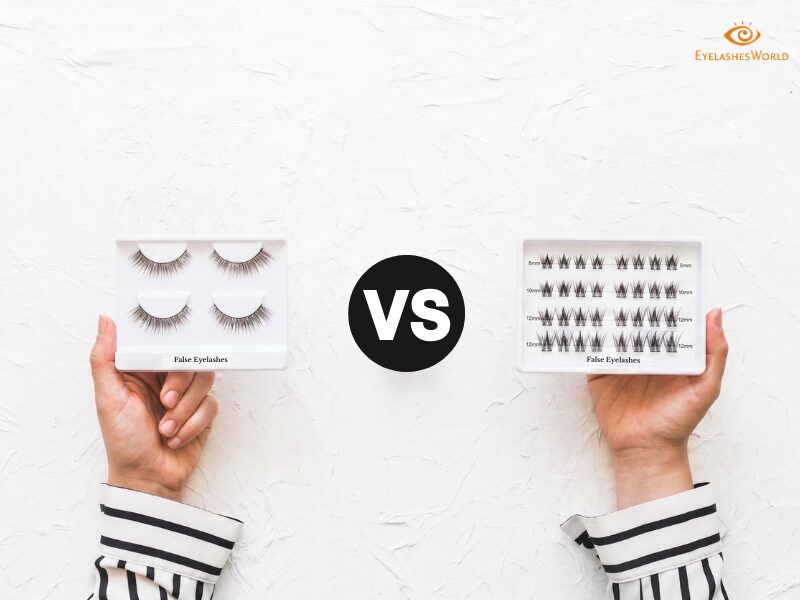
In beauty development, there is an important difference between creating a good product and creating the right product for the market.
A new concept can be beautifully designed, well-made, and technically impressive. It can look great in a sample, photograph beautifully, and receive positive feedback.
But that does not necessarily mean it is the right choice for a particular beauty brand.
For beauty brands, that distinction can influence everything from positioning and pricing to consumer appeal and long-term commercial potential.
Key Takeaways
- A well-made beauty product is not automatically the right choice for every market or consumer.
- Development should consider the target customer, market need, sales channel, price point, and brand positioning.
- Trends can inspire new ideas, but not every trend needs to become a permanent product.
- Early alignment between beauty brands and manufacturers can make development more focused and commercially relevant.
- The right product is not necessarily the most innovative one, but the one that makes sense for the customer, market, and brand.
A Good Product Doesn’t Always Make a Good Business Decision
Beauty development often starts with something exciting.
It could be a new lash shape, a different application method, an interesting material, or a trend that is suddenly gaining attention.
The idea may be genuinely good.
But there is another question that needs to come before development moves too far:
Is this the right product for the business?
A concept can succeed technically while struggling commercially.
It might be too expensive for the intended customer, too niche for the chosen market, or offer little differentiation from products already available.
The challenge, therefore, is not simply creating something consumers can like.
It is creating something they have a reason to choose.
What Makes a Product the “Right” Product?
The right product sits at the intersection of several things.
It needs to make sense for the consumer, but also for the market in which it will compete and the brand that will sell it.
That means looking beyond the product itself.
A beauty brand may need to consider:
- Who the product is designed for
- What consumer need it addresses
- Where it will be sold
- What price point it needs to reach
- How it fits the brand’s positioning
- Whether the opportunity is long-term or trend-driven
None of these questions replace quality.
They add another layer to it.
A good product is well made. A right product is well matched.
Start With the Consumer, Not the Sample
One of the easiest mistakes in product development is becoming too focused on the product before defining the consumer.
A lash can look beautiful on a model or in a sample tray, but that does not tell a brand whether it will appeal to the people it wants to reach.
Different consumers have different expectations.
Some want subtle definition for everyday wear. Others are looking for dramatic volume. Some prioritize fast application, while others enjoy experimenting with different lash looks.
These differences affect the final design.
For false eyelashes, factors such as length, density, curl, band, application method, and finish can all influence who the product is right for.
The important question is not:
“Will people like this lash?”
It is:
“Which people will choose this lash, and why?”
That distinction can make a product brief much clearer from the beginning.
A Trend Is an Opportunity, Not Always a Product
Beauty trends can be useful starting points for development.
They can reveal changes in consumer preferences, introduce new aesthetics, and create opportunities for brands to offer something fresh.
But turning every visible trend into a product can create another problem.
Not every trend has the same commercial lifespan.
A highly expressive lash might generate attention because it looks different from what consumers usually see. That can make it valuable for a seasonal launch or trend-focused collection.
Another style may have less immediate visual impact but become a stronger everyday product because it fits more consumers and more occasions.
The important question is not simply whether a trend is popular.
Brands also need to consider:
- How long the trend may remain relevant
- Whether it fits the brand’s customer
- Whether consumers are actually changing their buying behavior
- Whether the trend offers meaningful differentiation
- What role the product should play after the initial excitement
A trend can tell a brand where attention is moving.
Development needs to determine whether that attention represents a real opportunity.
The Same Product Can Work Differently in Different Channels
Where a product is sold can also change what makes it successful.
A lash designed for professional beauty users may have different requirements from one developed for mass retail.
An online-first beauty brand may need to communicate the final result through strong imagery and product education. A retail product may need to communicate its benefit almost immediately through packaging.
Even the application experience can matter differently depending on the channel.
This means development cannot always happen separately from the commercial environment.
The offering needs to work not only when it is being worn, but also when it is being discovered, understood, compared, and purchased.
That is why channel should be considered early rather than treated as a marketing decision after the product has already been finalized.
Price Point Is Part of the Product Strategy
Price is another factor that can change whether a product is commercially relevant.
A beauty brand may want premium materials, sophisticated construction, and elaborate packaging.
But if the resulting cost does not match the target retail price, the concept can become difficult to position.
This does not mean that brands should simply make products cheaper.
It means that cost and value need to be considered together.
For example, a premium lash may justify a higher price through its material, construction, application experience, packaging, or overall positioning.
An offering aimed at a more accessible price point may require different choices while still delivering the quality consumers expect.
This is where early communication with a manufacturer becomes particularly valuable.
When the target price is known from the beginning, manufacturers can help evaluate materials, construction, packaging, MOQ, and production options against that commercial requirement.
The goal is to create something that can deliver the right value at the right price, rather than discovering too late that the original concept is commercially difficult.
Product Quality and Product-Market Fit Are Different
It is useful to separate two ideas that are often treated as the same.
Product quality asks whether the product performs well and meets the required specifications.
Product-market fit asks whether the offering is relevant to the people and market it is intended to serve.
A product can have excellent quality and still have weak product-market fit.
For example, a beautifully constructed lash may not perform commercially if its design does not match local beauty preferences.
On the other hand, a relatively simple product can become highly successful when it solves a clear consumer need at an accessible price.
This does not make quality less important.
It shows that quality works best when it is attached to relevance.
What Beauty Brands Should Ask Before Developing a New Product
Before moving an idea into full product development, a few questions can help determine whether it deserves further exploration.
1. Who is the Product For?
Define the consumer beyond demographics.
Consider their beauty routine, preferences, expectations, and reason for buying.
2. What Need Does It Address?
Is it solving a problem, creating a new use case, or offering a different experience?
3. Where Will It Be Sold?
The product should make sense for its intended retail or distribution channel.
4. What Price Point Does It Need to Reach?
Knowing the target price early can influence development decisions before they become expensive to change.
5. What Role Will It Play?
Is it a hero product, an everyday essential, a trend-led launch, a seasonal product, or a way to attract a new customer?
6. Why Would Consumers Choose It?
This may be the most important question of all.
If the answer is unclear, the concept may need more development before the sample becomes the final product.
Business Perspective: The Earlier the Conversation, the Better
For beauty brands, product development is often a collaboration between several decisions: consumer insight, design, sourcing, manufacturing, packaging, pricing, and marketing.
The earlier those considerations come together, the more room there is to make informed decisions.
This is particularly important when working with a manufacturer.
A manufacturer does not only need to know what product the brand wants to make.
Understanding why the product is being developed can provide valuable context.
The intended market, target consumer, price point, application method, packaging requirements, and expected positioning can all influence how the product is developed.
That conversation can help turn a broad idea into a more practical product brief.
Instead of:
“We want a new lash that looks premium.”
The discussion can become:
“We need a premium-looking lash for everyday consumers, positioned at this price point, designed for this market and sales channel.”
The second brief gives everyone a much clearer direction.
The Right Product Creates More Than a New SKU
For beauty brands, a new product should ideally do more than increase the number of products available.
It should have a purpose.
It might attract a new consumer, strengthen a category, introduce a new application experience, respond to a market opportunity, or give the brand a stronger point of differentiation.
That is why development should not be measured only by how many products a brand can create.
Sometimes, better product decisions come from creating fewer products with clearer reasons to exist.
The goal is not to develop every good idea.
It is to identify the ideas that have the strongest connection between consumer need, market opportunity, and brand value.
From a Good Idea to the Right Product
A good product starts with a good idea.
The right product starts with a good understanding of why that idea should exist.
For beauty brands, that means looking beyond the sample and considering the bigger picture: the customer, the market, the channel, the price, and the role the product is expected to play.
This does not make product development less creative.
It makes creativity more purposeful.
Because the most successful product is not always the one that looks the most exciting in the development room.
Sometimes, it is the one that makes the most sense when it finally reaches the customer.
Good product development is not only about making something well.
It is about making something worth choosing.
Frequently Asked Questions
What is the difference between a good product and the right product?
A good product is well-designed and well-made. The right product also fits a specific consumer, market, price point, sales channel, and brand positioning.
Why can a high-quality beauty product fail in the market?
Quality alone does not guarantee demand. A product may struggle if it does not match consumer preferences, has the wrong price point, lacks differentiation, or does not fit the market or sales channel.
Should beauty brands develop products based on trends?
Trends can provide useful inspiration and reveal changing consumer preferences, but not every trend needs to become a permanent product. Brands should evaluate its relevance, commercial potential, and fit with their target customer.
Why is price important during product development?
The target price point can influence materials, construction, packaging, MOQ, and other production decisions. Considering price early can help brands develop an offering that delivers the expected value within a commercially realistic range.
When should a beauty brand involve a manufacturer?
A manufacturer can be involved early in the development process, especially once the brand has defined its target consumer, market, concept, price point, and key requirements. Early communication can help align market opportunities with commercial objectives.
What should beauty brands consider before developing a new concept?
Brands should consider the target customer, market need, sales channel, price point, positioning, differentiation, and the role the product is expected to play within the brand.
Final Thoughts
Not every good product needs to become a product.
Sometimes, the stronger business decision is knowing which ideas deserve to move forward and which ones need to be reconsidered.
Because in beauty development, success is not simply about creating something consumers can appreciate.
It is about creating something they need, understand, value, and ultimately choose.
A good product can impress. The right product can make sense.