
EYELASHESWORLD.COM
Consumers Are Exploring More, But Buying More Carefully
PT.Bintang Mas Triyasa
Consumers Are Exploring More, But Buying More Carefully
Key Takeaways
- Beauty consumers have more access to products, trends, and information than ever before.
- Discovery and purchasing are no longer the same thing.
- Consumers are becoming increasingly selective about which products earn a place in their routine.
- Viral attention does not automatically translate into long-term demand.
- Brands that build trust and relevance are more likely to succeed than brands that rely solely on trend momentum.
Consumers Have Never Had More Beauty Choices
A decade ago, discovering new beauty products looked very different.
Consumers often learned about products through magazines, beauty counters, television advertising, or recommendations from friends. The path from discovery to purchase was relatively straightforward.
Today, that journey is far more complex.
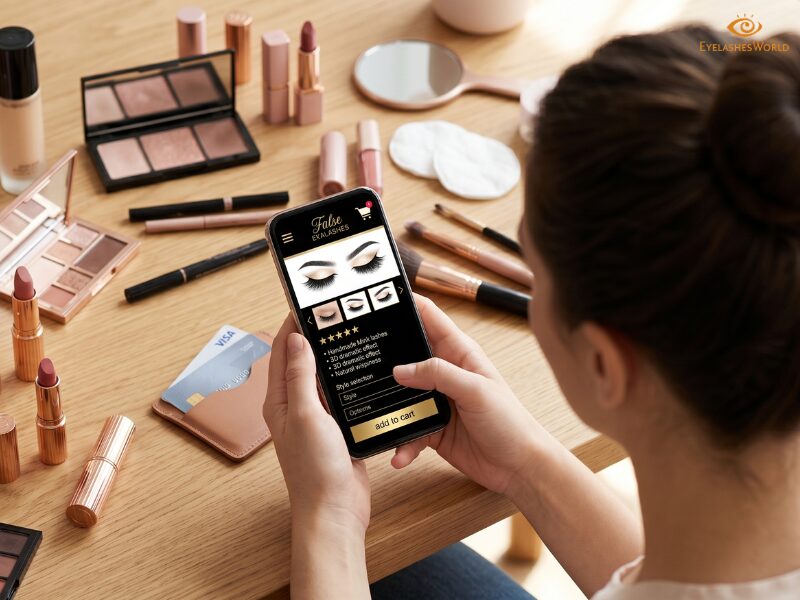
A beauty consumer can discover dozens of products before breakfast.
They scroll through TikTok tutorials, watch YouTube reviews, save Instagram posts, browse Reddit discussions, read beauty newsletters, and increasingly use AI-powered search tools to research products before making a purchase.
According to industry research, beauty discovery has expanded dramatically as digital platforms continue to multiply. Consumers now encounter beauty products across more channels than at any point in the industry’s history.
In many ways, beauty has never been more accessible.
But that does not necessarily mean consumers are buying more.
Discovery Is Growing Faster Than Demand
One of the most interesting shifts in today’s beauty market is the growing gap between discovery and purchase.
Consumers are constantly exploring.
They save products.
They create wish lists.
They watch tutorials.
They follow trends.
Yet many are becoming increasingly selective about what they actually buy.
This behavior is changing how brands should think about growth.
For years, visibility was often viewed as the primary challenge. If consumers discovered a product, brands had a good chance of converting interest into sales.
Today, discovery is no longer the bottleneck.
Consumers are discovering products constantly.
The challenge is earning enough trust, relevance, and value to move from consideration to purchase.
This distinction has become increasingly important as beauty consumers face more choices than ever before.
The Rise of the Selective Beauty Consumer
The modern beauty consumer is not necessarily buying less because they are less interested in beauty.
In many cases, the opposite is true.
Consumers are more engaged than ever.
They follow beauty creators.
They research ingredients.
They compare reviews.
They explore emerging trends.
But they are also becoming more intentional.
Rather than purchasing every new product they encounter, many consumers are carefully evaluating which products deserve a place in their routine.
Several factors are contributing to this behavior:
- Increased product saturation
- Rising consumer awareness
- Greater access to reviews and product information
- Economic uncertainty in many markets
- Growing interest in mindful consumption
The result is a consumer who explores broadly but purchases selectively.
Why Viral Trends No Longer Guarantee Success
The beauty industry often celebrates viral moments.
A product gains millions of views.
Creators talk about it.
Consumers share it.
From the outside, success can appear inevitable.
Yet many viral products struggle to maintain momentum after the initial excitement fades.
Why?
Because attention and demand are not the same thing.
A viral trend can introduce consumers to a product.
It cannot guarantee that the product will become part of their routine.
This is one reason why beauty brands increasingly need to look beyond engagement metrics when evaluating opportunities.
Views matter.
Awareness matters.
But long-term success depends on whether consumers continue choosing the product after the trend cycle ends.
What This Means for Beauty Brands
For beauty brands, the rise of the selective consumer changes the rules of competition.
Standing out remains important.
But attention alone is no longer enough.
Consumers are asking deeper questions:
- Is this product relevant to me?
- Does it solve a problem?
- Can I trust this brand?
- Is it worth adding to my routine?
Brands that successfully answer these questions often build stronger relationships with consumers over time.
This shift also explains why many beauty brands are focusing more on:
- Product quality
- Brand storytelling
- Community building
- Customer education
- Hero products instead of endless SKU expansion
The goal is no longer simply attracting attention.
The goal is earning a place in the consumer’s routine.
The Opportunity Behind the Shift
While some brands may view selective purchasing as a challenge, it also creates an opportunity.
When consumers buy more carefully, they often become more loyal to products that genuinely meet their needs.
In other words, earning a purchase may be harder.
But keeping that customer may become easier.
This creates an advantage for brands that prioritize consistency, trust, and meaningful value over short-term hype.
As competition continues to increase, those qualities may become even more important.
Looking Ahead
The beauty industry is unlikely to slow down.
Consumers will continue discovering new products, exploring new trends, and engaging with beauty content across an expanding number of platforms.
But discovery alone no longer guarantees success.
Today’s consumers have endless beauty choices at their fingertips.
And perhaps that is exactly why they are becoming more selective about what they buy.
For brands, that shift offers an important reminder.
Winning attention may open the door.
But winning trust is what keeps consumers coming back.
Frequently Asked Questions
Why are beauty consumers becoming more selective?
Consumers have access to more information, reviews, and product options than ever before. This allows them to make more informed purchasing decisions and carefully evaluate products before buying.
Does a viral beauty trend guarantee sales?
Not necessarily. Viral trends can generate awareness, but long-term success depends on whether consumers find lasting value in the product.
What do beauty consumers value most today?
Many consumers prioritize quality, trust, relevance, authenticity, and products that fit naturally into their lifestyle and beauty routine.
What should beauty brands focus on in this environment?
Brands should focus on building trust, delivering consistent product quality, educating consumers, and creating products that provide meaningful value beyond trend-driven excitement.