
EYELASHESWORLD.COM
Summer Changes More Than the Weather. It Changes Beauty.
PT.Bintang Mas Triyasa
Summer Changes More Than the Weather. It Changes Beauty.
Key Takeaways
- Summer beauty trends often reveal changing consumer preferences before they become long-term market movements.
- This year’s eye makeup trends share a common direction: lighter textures, expressive finishes, and effortless definition.
- Wet-look eyes are only one part of a broader movement toward beauty that feels more personal than perfect.
- Looking beyond individual trends helps beauty brands make stronger product decisions.
- The brands that succeed are often those that understand why consumers embrace a trend not just what the trend looks like.
The Signal
Every summer brings a new wave of beauty inspiration.
Some trends disappear as quickly as they arrive. Others quietly influence the way consumers think about beauty for years to come.
The challenge for beauty brands is knowing the difference.
Seasonal trends are often dismissed as short-lived moments driven by weather, vacations, or social media. But in reality, summer does something much more interesting.
It makes changing consumer preferences easier to see.
As makeup routines become lighter and consumers spend more time experimenting with beauty, certain product categories naturally attract attention. These seasonal shifts give brands an opportunity to observe not only what consumers are wearing today, but also what they may continue looking for tomorrow.
This summer, the conversation has noticeably returned to eye makeup.
Not because dramatic makeup is making a comeback.
But because consumers are discovering new ways to create expression through the eyes.
The Evidence
Looking across this season’s beauty conversations, one thing becomes clear.
The trends may appear different, but they are all moving in the same direction.
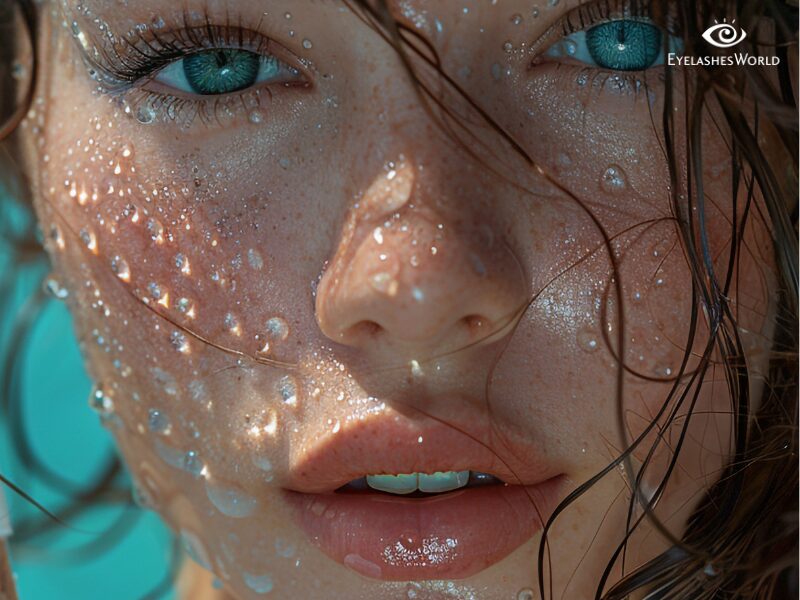
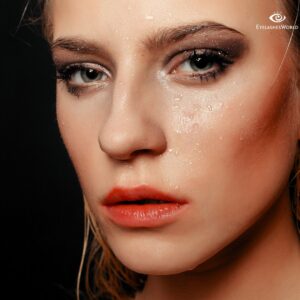
Wet-look eyes are gaining renewed attention for their glossy, fresh appearance.
Softly textured lashes are replacing overly dense volume.
Smudged eyeliner feels intentional rather than messy.
Shimmer is being used to reflect light instead of creating dramatic sparkle.
At first glance, these seem like separate beauty trends.
In reality, they share the same aesthetic language.
They celebrate movement.
Texture.
Light.
Instead of creating perfectly sculpted makeup, they allow beauty to feel softer, more relaxed, and more expressive.
Perhaps that is why these looks resonate so strongly during summer. They complement warmer weather while also reflecting a broader consumer preference for makeup that feels effortless rather than overly constructed.
The eyes remain the focal point, but they communicate differently.
Less precision.
More personality.
What It Really Means
It would be easy to describe this as simply another seasonal beauty trend.
But doing so risks missing the bigger picture.
Consumers are not suddenly interested in glossy eyelids or separated lashes because summer arrived.
These looks are becoming popular because they reflect how many people now define modern beauty.
For years, beauty often celebrated perfection.
Flawless skin.
Perfect eyeliner.
Symmetrical lashes.
Highly polished finishes.
Today’s consumers seem to be embracing something slightly different.
They still appreciate beautiful makeup, but they increasingly value beauty that feels real.
They want skin that looks healthy rather than heavily covered.
They want lashes that create definition without appearing overly dramatic.
They want makeup that enhances personality rather than hiding it.
In many ways, this year’s eye makeup trends are less about changing techniques and more about changing expectations.
Consumers are no longer asking,
“How can I look more glamorous?”
They are increasingly asking,
“How can I still look like myself?”
That subtle shift may become one of the most important beauty signals of the year.
Business Perspective
For beauty brands, this shift presents an important decision.
It is tempting to respond to every viral trend by developing a similar product.
Sometimes that works.
More often, it creates collections that feel outdated once the next trend appears.
A stronger approach is to understand the consumer preference behind the trend.
Wet-look eyes may inspire a seasonal campaign.
But the real opportunity lies elsewhere.
Consumers are showing greater appreciation for products that feel lighter, more versatile, and easier to personalize.
Instead of searching for one dramatic statement look, they are building beauty routines that can adapt to different moods, occasions, and identities.
For false eyelash brands, this has meaningful implications.
Rather than focusing exclusively on volume, future collections may benefit from offering more texture, softer definition, flexible styling, and lightweight comfort.
The conversation shifts from creating bigger lashes to creating more expressive eyes.
That is a very different product strategy.
Brands that recognise this distinction early are more likely to build collections that remain relevant beyond a single season.
Because while trends inevitably change, consumer preferences tend to evolve much more gradually.
Final Thoughts
Every summer changes beauty.
Not because consumers suddenly become different.
But because the season makes changing preferences easier to observe.
Today’s eye makeup trends are not simply introducing new aesthetics.
They are revealing what consumers increasingly value.
Lightness over heaviness.
Expression over perfection.
Texture over uniformity.
Whether next year’s defining look is wet-look eyes, soft shimmer, or something entirely new is almost beside the point.
The bigger opportunity is learning to recognize the preference before the trend receives a name.
For beauty brands, that may be the most valuable insight of all.
The question is no longer,
“What’s trending this summer?”
The better question is,
“What is this trend trying to tell us about tomorrow’s beauty consumer?”
Frequently Asked Questions
Why are summer beauty trends important for beauty brands?
Seasonal trends often reveal emerging consumer preferences before they become mainstream, helping brands identify future product opportunities.
What are the biggest eye makeup trends this summer?
Some of the most talked-about trends include wet-look eyes, softly textured lashes, luminous finishes, subtle shimmer, and expressive eye makeup that feels lightweight and effortless.
Do you have the lash collection that supported wet-look eyes?
We have wet look lash collection where you can access here.
What do these trends have in common?
Although visually different, they all emphasize movement, texture, light, and individuality instead of heavy, highly structured makeup.
What should beauty brands learn from seasonal trends?
Rather than copying individual looks, brands should identify the consumer preferences behind them. Understanding why consumers respond to a trend often creates more sustainable product strategies than simply following viral aesthetics.