
EYELASHESWORLD.COM
The Difference Between a Beauty Trend and an Opportunity
PT.Bintang Mas Triyasa
The Difference Between a Beauty Trend and an Opportunity
Key Takeaways
- Not every beauty trend becomes a successful business opportunity.
- Consumer attention and consumer demand are not always the same thing.
- Successful brands look beyond social media buzz and evaluate long-term relevance.
- Trends reveal consumer behavior, but opportunities emerge when brands solve a real need.
- The growing interest in expressive beauty offers valuable lessons for product development and brand strategy.
Every Beauty Trend Looks Like an Opportunity
The beauty industry loves trends.
Every month, a new aesthetic, product category, or social media phenomenon captures attention. Beauty publications write about it. Influencers create content around it. Consumers begin sharing it across platforms.
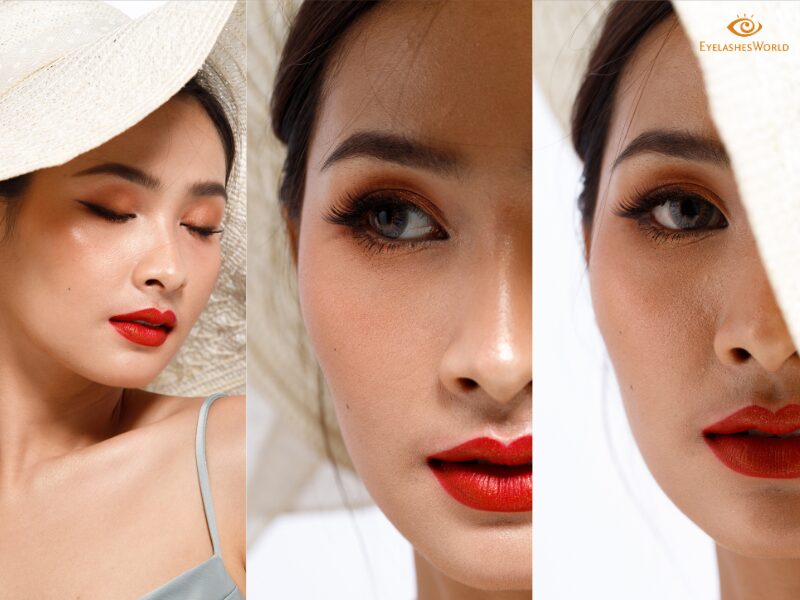
Recently, we’ve seen growing conversations around expressive beauty, manga-inspired lashes, textured lash styles, and statement eye looks. Trends such as Josei Lashes reflect a broader movement toward individuality and self-expression.
For beauty brands, moments like these create excitement.
The natural question becomes:
Should we launch something around this trend?
The answer is not always yes.
Because a trend and an opportunity are not the same thing.
Understanding the difference can help brands make better decisions, avoid costly product launches, and focus resources where they matter most.
A Trend Captures Attention
An opportunity creates demand.
That distinction may sound simple, but it changes how successful brands evaluate the market.
A trend is something people notice.
An opportunity is something people are willing to buy.
In today’s digital environment, it has become easier than ever to confuse the two.
A beauty trend may generate:
- Millions of views
- Thousands of comments
- Strong social media engagement
- Industry discussion
- Press coverage
Yet none of those signals automatically guarantee commercial success.
Attention is valuable.
But attention alone does not pay for inventory.
The Beauty Industry Has Seen This Before
Beauty history is filled with products that generated excitement but failed to create lasting demand.
Consumers often enjoy experimenting with trends.
That does not necessarily mean they want those trends to become part of their everyday routine.
This is particularly relevant in today’s market.
According to consumer research from various beauty industry reports, shoppers are becoming increasingly selective with their purchases. Rather than buying every new product they discover, consumers are focusing on products that align with their lifestyle, identity, and personal preferences.
In other words:
Consumers are becoming more intentional.
That shift makes it even more important for brands to distinguish between temporary attention and genuine demand.
What Expressive Beauty Can Teach Us
The recent rise of expressive beauty provides a useful example.
Across runways, social media, and beauty publications, there has been growing interest in eye-focused makeup, textured lashes, and more personalized beauty aesthetics.
At first glance, some brands may interpret this as a simple product trend.
Launch more dramatic lashes.
Create more spikes.
Follow the aesthetic.
But the most successful brands ask a different question.
Instead of focusing only on what consumers are buying, they focus on why consumers are buying it.
That deeper question often reveals the real opportunity.
In this case, consumers may not simply be seeking manga-inspired lashes.
They may be seeking:
- Self-expression
- Individuality
- Creative freedom
- Personal identity
- Beauty that feels less uniform
Those motivations extend far beyond a single product category.
And that is where opportunity begins.
Opportunities Start With Consumer Behavior
Trends often focus on products.
Opportunities focus on people.
A trend tells you what consumers are paying attention to today.
Consumer behavior helps you understand what they may continue to value tomorrow.
For example:
The popularity of Josei Lashes may indicate demand for textured lash designs.
But it may also signal something larger.
Consumers may be moving away from beauty that feels overly standardized and toward beauty that feels more personal.
If that interpretation is correct, the opportunity is not simply a single lash style.
The opportunity is serving a growing desire for individuality.
Brands that recognize this distinction can make better strategic decisions.
Instead of chasing every trend, they can build products that address underlying consumer needs.
Why Chasing Every Trend Creates Risk
Many beauty brands assume more trends equal more opportunities.
In reality, the opposite can happen.
Launching products based solely on trend momentum often creates:
- SKU overload
- Inventory risk
- Brand inconsistency
- Short product life cycles
- Consumer confusion
The beauty market moves quickly.
What feels urgent today may disappear six months from now.
When brands react to every emerging trend, they risk building collections around temporary excitement rather than sustainable demand.
This does not mean brands should ignore trends.
It means they should evaluate them carefully.
The goal is not to follow every trend.
The goal is to understand what the trend reveals.
Three Questions Successful Brands Ask
Before investing in a trend, successful beauty brands often ask three important questions.
1. Is the Trend Solving a Real Consumer Need?
Attention is easy to generate.
Need is harder to create.
Consumers may enjoy looking at a trend online without feeling any desire to purchase it.
Understanding the problem a product solves remains critical.
2. Does the Trend Align With Our Brand?
Not every opportunity is the right opportunity.
A trend may perform well in the market while still feeling disconnected from a brand’s positioning, audience, or identity.
Strong brands maintain consistency.
3. What Is Driving Consumer Interest?
This may be the most important question.
If a trend gains attention because it reflects a deeper shift in consumer behavior, it may have long-term potential.
If interest is driven purely by novelty, the opportunity may be much smaller than it appears.
Looking Beyond the Product
The strongest beauty brands rarely win because they launch the most products.
They win because they understand consumers.
When expressive beauty began gaining momentum, some brands focused on copying the look.
Others focused on understanding the shift behind it.
The second group often creates stronger businesses.
Because consumers do not buy trends.
They buy products that help them achieve something meaningful.
Confidence.
Creativity.
Convenience.
Identity.
Self-expression.
Trends may change.
Those motivations tend to last much longer.
The Difference That Matters
Every beauty trend creates a moment of attention.
But not every trend creates an opportunity worth pursuing.
The brands that grow sustainably understand this difference.
They look beyond social media buzz.
They look beyond short-term excitement.
And they focus on the consumer behavior driving the trend in the first place.
Today, the growing interest in expressive beauty, personalized aesthetics, and styles like Josei Lashes offers a valuable reminder.
The real opportunity is rarely the trend itself.
The real opportunity is understanding why consumers are drawn to it.
Because trends come and go.
But consumer needs have a way of shaping the future of beauty.