
EYELASHESWORLD.COM
Not Every Halloween Look Needs Dramatic Lashes
PT.Bintang Mas Triyasa
Not Every Halloween Look Needs Dramatic Lashes
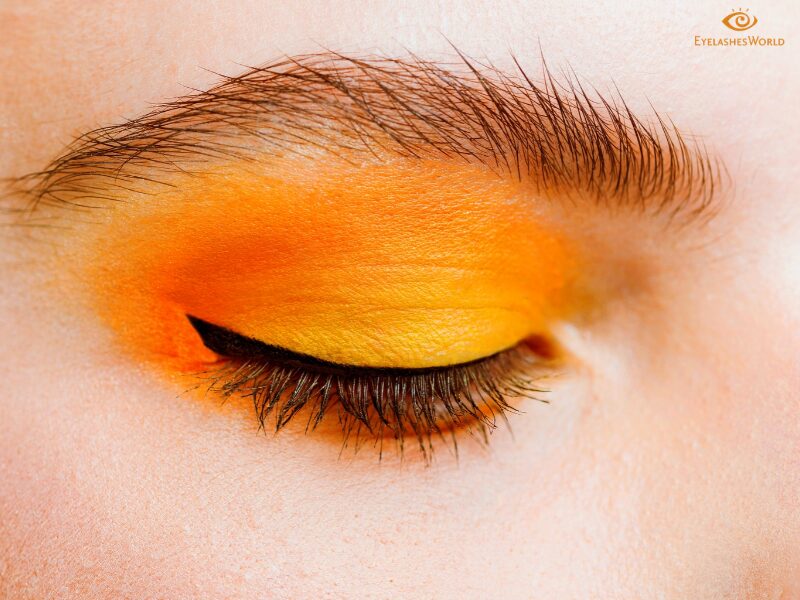
Halloween often brings bold makeup, dramatic eyes, and statement-making lashes into the spotlight. But not every look calls for extreme volume or exaggerated length. Sometimes, natural-looking lashes are enough to complete the look.
For beauty brands, this offers an interesting starting point. A seasonal occasion can inspire new product ideas, but the real business opportunity lies in understanding what those ideas mean for the brand’s wider product strategy.
A seasonal moment can inspire a product. A clear strategy gives that product a purpose.
Halloween Is a Moment, Not a Product Strategy
Seasonal occasions create opportunities for beauty brands to refresh their assortments and connect with consumers through new looks. Halloween, for example, can inspire everything from dramatic lash styles to more understated makeup combinations.
Natural lashes can be part of this picture, too. They offer an alternative for consumers who want to complement a Halloween look without making their eyes the most dramatic feature.
But the business question goes beyond which lash style suits the occasion.
When a product idea emerges from a seasonal moment, brands need to consider whether it addresses a genuine customer preference, adds something meaningful to the existing assortment, or simply responds to a short-lived opportunity.
The distinction matters. A product may fit the theme of an occasion without necessarily earning a place in a brand’s broader collection.
Seasonal relevance is a useful starting point, but it should not be the only reason to develop a product.
Look Beyond the Occasion
One challenge in seasonal product planning is balancing immediate relevance with the longer-term direction of a brand.
A Halloween-inspired lash collection may capture attention during a particular period. However, the development process also presents an opportunity to examine the broader preferences behind the look.
Are consumers looking for dramatic transformations, subtle enhancements, or more flexibility in how they express their style? Could a design serve different occasions, or is its appeal closely tied to a specific theme?
These questions help brands distinguish between an idea that works for a campaign and a product that has a clear role within their assortment.
This does not mean every seasonal product must be designed for year-round use. Limited-edition products can serve a valuable purpose when they align with a brand’s positioning and commercial objectives.
The key is understanding what each product is expected to contribute before committing to its development.
Build an Assortment with Purpose
A strong product assortment is not simply a collection of styles that look different from one another. Each product should have a reason to exist within the range.
For false eyelash brands, this means considering how different styles serve different preferences and occasions. Natural lashes, for instance, can offer a more understated option alongside products designed for greater definition or more dramatic effects.
The objective is not to include every possible style. It is to create a range that makes sense for the intended customer.
Three questions can help guide assortment decisions:
1. Who is the product for?
A clear understanding of the target consumer helps determine whether a proposed design fits the brand’s audience and positioning.
2. What does it add to the collection?
A new product should offer a meaningful distinction, whether through its intended look, price positioning, use occasion, or place within the range.
3. What is its role in the business?
Some products may support seasonal campaigns, while others may help establish the core assortment. Understanding these different roles can make product planning more deliberate.
These considerations are especially useful when brands face numerous design possibilities but need to prioritize which products to develop, launch, and promote.
From Product Ideas to Better Decisions
Product development often begins with inspiration: a makeup look, a seasonal occasion, a shift in consumer preferences, or an idea for reaching a new audience.
Turning that inspiration into a viable product requires a different kind of thinking.
Brands need to evaluate the intended customer, the product’s role in the assortment, and its alignment with the wider business direction. They must also consider practical factors such as pricing, packaging, positioning, and launch timing.
Not every promising idea needs to become a new SKU. Sometimes, the better decision is to refine an existing style, strengthen the current assortment, or develop a product that addresses a more clearly defined need.
This is where collaboration with a manufacturing partner can be valuable. Beyond producing a chosen design, the development process benefits from clear requirements, realistic expectations, and alignment between the brand’s objectives and the product being developed.
At EyelashesWorld, we work with beauty brands through OEM and private label development, supporting their efforts to translate product ideas into collections aligned with their brand identity and target markets.
A Seasonal Idea Needs a Bigger Picture
Halloween is a reminder that consumers can approach beauty in different ways. Some prefer bold transformations, while others choose more subtle details to complete their look. Natural lashes have a place in that range of possibilities.
For beauty brands, the broader lesson is not that one lash style is better than another. It is that product decisions should be guided by a clear understanding of the customer, the collection, and the business objective.
Seasonal occasions can open the door to new ideas. A considered product strategy helps determine which ideas are worth pursuing.
Because a successful collection is not built around every occasion. It is built around products that have a clear purpose within the brand.
Looking to develop your next false eyelash collection? Explore OEM and private label opportunities with EyelashesWorld.