
EYELASHESWORLD.COM
Most Lash Brand Are Competing on the Wrong Thing
PT.Bintang Mas Triyasa
Most Lash Brand Are Competing on the Wrong Thing
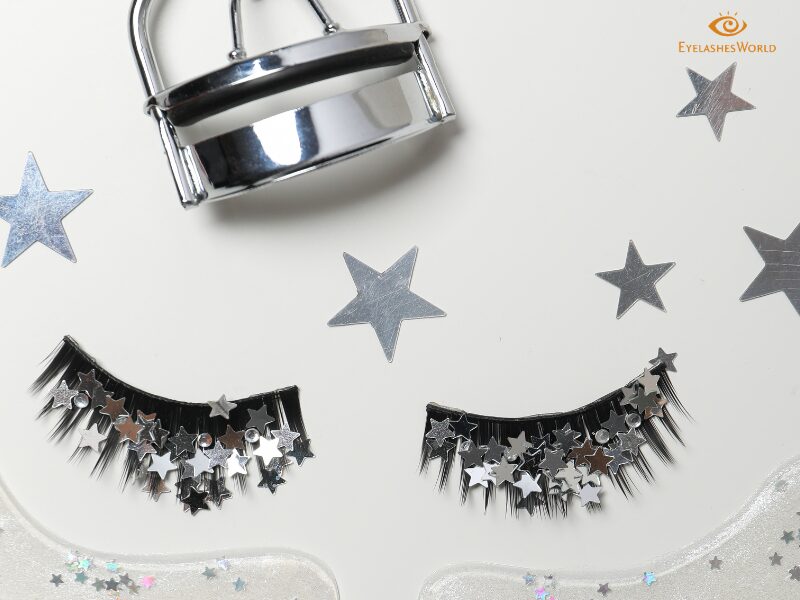
In today’s beauty market, lash brand competition appears more intense than ever. New styles are launched constantly, trends evolve rapidly, and innovation is often seen as the key to growth.
However, beneath this activity lies a quieter reality: most lash brands are not actually competing where it matters most.
The Illusion of Product Competition
At first glance, brands seem to compete through product—offering new designs, trend-driven styles, and wider assortments. But in reality, many lash products have become increasingly similar in both appearance and structure.
As a result, competition shifts away from product differentiation toward pricing, speed, and marketing intensity. While these factors may drive short-term attention, they rarely create long-term growth.
When Everything Looks Good, Nothing Stands Out
In a saturated category, “looking good” is no longer enough. Most products already meet the baseline of visual appeal.
What truly determines success is not just how a product looks, but how it performs in everyday use. This includes how easily it is understood, how naturally it fits into routines, and how consistently it is used over time.
Many brands fall behind here—not because their products lack quality, but because they are not designed for repeat behavior.
The Real Competitive Advantage
Brands that scale successfully take a different approach. Instead of focusing on launching more products, they focus on making better decisions earlier.
They prioritize clarity over variety, ensuring each product has a clear purpose. They design for usability, creating lashes that are comfortable and easy to wear. And they build consistency, allowing customers to develop familiarity and trust.
Because in reality, customers do not compare every option—they choose what feels easiest to choose.
What Most Brands Get Wrong
Many brands still optimize for attention. Bold designs and dramatic effects may attract interest, but they do not guarantee repeat orders.
Attention drives the first purchase.
Experience drives the second.
Without repeat usage, even the most visually appealing product struggles to scale.
Final Thought
In today’s false eyelashes market, competing on product alone is no longer enough.
The real difference lies in how products are positioned, experienced, and repeated.
Because growth doesn’t come from being seen once—
it comes from being chosen again.