
EYELASHESWORLD.COM
From TikTok Hype to Retail Shelf: What Makes a Beauty Lash Trend Last?
PT.Bintang Mas Triyasa
From TikTok Hype to Retail Shelf: What Makes a Beauty Lash Trend Last?
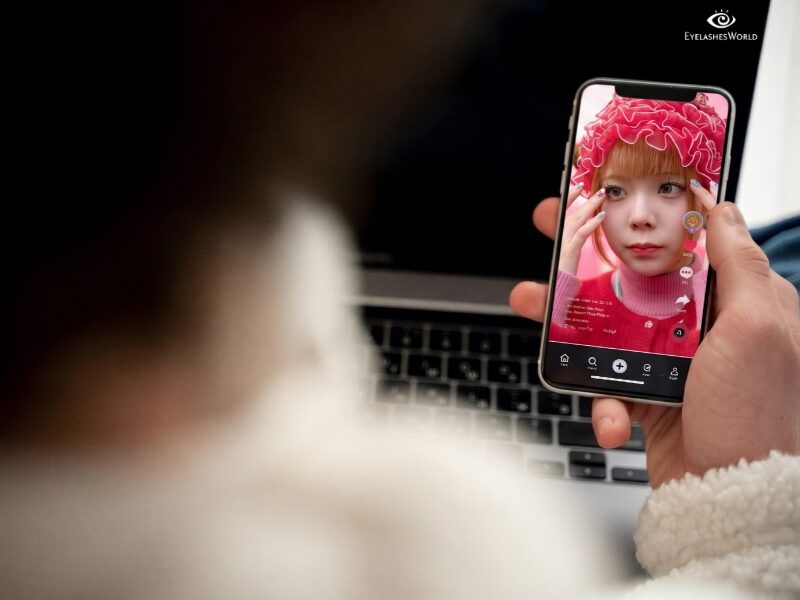
A beauty product can become popular overnight. A short video, a creator recommendation, or a surprising product demonstration can put an unfamiliar item in front of millions of potential customers. But gaining attention is only the beginning.
For beauty brands, the bigger challenge is determining whether that attention can translate into lasting market demand.
The false eyelash industry offers clear examples. Manga or anime-inspired lashes gained attention through social media, while DIY cluster lashes became increasingly visible in at-home beauty tutorials. Both demonstrate how a lash look or application method can capture consumer interest. The next question is whether that interest can develop into a lasting product opportunity.
A viral moment can generate product interest, but it does not automatically guarantee repeat purchases, retail success, or long-term brand value. The trends that last are supported by something beyond online popularity: a relevant consumer need, a product that delivers on its promise, and a clear reason for customers to keep choosing it.
So, what separates a temporary beauty sensation from a product opportunity worth investing in?
1. Why Do Beauty Trends Go Viral So Quickly?
Social media has changed how consumers discover beauty products. Instead of relying only on store displays, advertisements, or traditional beauty publications, shoppers can now encounter new products through tutorials, creator reviews, product demonstrations, and user-generated content.
TikTok has become an influential part of this discovery process. Its short-form video format makes it easy to demonstrate product features, show visible results, and encourage audiences to try something new.
The false eyelash market provides two interesting examples of this phenomenon.
Manga and Anime Lashes: When an Aesthetic Becomes a Trend
Inspired by the distinctive eyes of manga and anime characters, manga lashes feature separated, pointed spikes that create a doll-like appearance. The look gained significant attention on TikTok, where beauty creators shared tutorials and different ways to recreate the style.
In May 2024, Glamour UK reported a 5,000% increase in Google searches for “anime lash extensions” over the previous month, highlighting the growing interest surrounding the look. The trend also continued to receive attention in beauty coverage during 2025.
For the false eyelash market, this created an opportunity to translate a recognizable aesthetic into different product formats, including spiky strip lashes and cluster designs.
DIY Cluster Lashes: When an Application Method Becomes a Product Opportunity
DIY cluster lashes represent a different kind of trend. Instead of focusing on one particular appearance, they offer an at-home application format that allows consumers to apply smaller lash segments themselves.
Throughout 2025 and into early 2026, cluster lashes appeared frequently in TikTok tutorials and everyday beauty content. Their visibility reflects growing interest in recreating lash-enhancement results at home without relying entirely on professional salon services.
This trend also creates opportunities beyond individual cluster trays. Brands can explore complete kits, pre-glued formats, and application essentials that support the at-home experience.
Both examples show how social media can introduce new opportunities to the false eyelash market. One starts with a distinctive visual style; the other gains attention through a different way of using the product.
These factors can accelerate product discovery. However, they primarily explain why people notice a product, not necessarily why they will continue buying it.
For brands, this distinction matters. High engagement can signal an opportunity, but it should not be treated as proof of sustainable demand.
2. Viral Attention Is Not the Same as Market Demand
A product may generate millions of views without becoming a consistent seller. The difference lies in what happens after the initial excitement.
Consider three stages of consumer interest:
| Stage | What It Indicates | What Brands Should Evaluate |
|---|---|---|
| Attention | People notice and discuss the product. | Views, reach, shares, and content engagement |
| Purchase Interest | People consider trying the product. | Product searches, reviews, purchase intent, and conversion |
| Sustained Demand | Customers continue choosing the product. | Repeat purchases, sell-through, customer feedback, and ongoing demand |
Each stage provides a different type of information. A high number of views may indicate strong visibility, while positive reviews can reveal how customers respond after trying the product.
Repeat purchases and retail performance provide another layer of evidence.
This is why brands should look beyond viral metrics when evaluating a trend. A product that attracts fewer views but consistently satisfies its customers may offer a stronger commercial opportunity than a product that receives widespread attention for only a short period.
3. Five Factors That Make a Beauty Trend Last
Not every viral product becomes a lasting part of the beauty market. Several factors can help brands identify which trends have stronger commercial potential.
1. It Addresses a Genuine Consumer Need
A product may become popular because it looks interesting, but lasting demand often depends on whether it solves a problem or offers a meaningful benefit.
For example, consumers may be drawn to beauty products that save time, simplify application, improve comfort, or provide a result that is difficult to achieve with existing alternatives.
A trend becomes more commercially relevant when its appeal connects to an actual consumer need.
2. The Product Delivers on Its Promise
Marketing can encourage the first purchase, but product performance influences what happens next.
Customers expect a product to deliver the result shown in its promotional content. If the actual experience does not match those expectations, initial excitement may not translate into positive reviews or repeat purchases.
For beauty brands, product quality, usability, consistency, and clear product claims should remain central to development decisions.
3. It Fits into Real Beauty Routines
Some products are exciting to watch but difficult to incorporate into everyday use.
Products with practical application, convenient formats, and clear benefits may have a better chance of becoming part of regular beauty routines.
This does not mean every successful product must be designed for daily use. Occasional-use products can also build lasting demand when they serve a specific and recurring purpose.
The important question is whether the product offers an experience customers have a reason to return to.
4. It Reaches the Right Market at the Right Price
A product’s popularity does not automatically make it suitable for every market or retail channel.
Price expectations, purchasing power, distribution, local preferences, and competing products all influence commercial potential.
A beauty trend that performs well in one market may require a different product configuration, positioning, or price point to succeed elsewhere.
Brands should evaluate the intended market before turning a viral concept into a retail launch.
5. It Has a Clear Connection to the Brand
Not every trending product belongs in every brand’s collection.
A sudden opportunity may look attractive, but launching products without considering brand positioning can create an assortment that feels inconsistent.
The strongest opportunities are those that allow brands to respond to market interest while maintaining a recognizable identity.
A trend should contribute to the brand’s direction, not distract from it.
4. How Can Brands Turn a Viral Trend into a Retail Opportunity?
Recognizing a promising trend is only the first step. Brands also need a practical way to evaluate and develop it before committing to a larger launch.
A useful approach involves four stages.
Step 1: Identify the Signal Behind the Trend
Look beyond the product’s popularity and identify what is attracting consumer attention.
Is it the product’s appearance, performance, convenience, price, or application method?
Understanding the reason behind a trend helps brands identify whether the opportunity is tied to a temporary aesthetic or a more lasting consumer preference.
Step 2: Validate the Market Opportunity
Compare social media engagement with other available indicators, including customer reviews, product searches, competitor performance, retail feedback, and sales data.
The goal is not to prove that a trend will succeed. It is to reduce uncertainty before investing in product development.
Step 3: Translate the Trend into a Product Proposition
A viral product should not simply be copied because it is receiving attention.
Brands need to determine what makes the concept relevant to their target customers and how it can be developed into a product with a clear purpose.
This may involve adjusting the design, format, features, packaging, or positioning to suit the intended market.
Step 4: Evaluate Performance After Launch
Product evaluation should continue after the retail launch.
Monitor customer feedback, sell-through, reviews, and repeat purchase behavior. These indicators can help brands understand whether the product is meeting expectations and whether further development is justified.
A successful launch is an important milestone, but sustained market performance is what determines its longer-term value.
5. What This Means for the False Eyelash Industry
Manga lashes and DIY cluster lashes demonstrate two different ways a social media trend can influence product development.
Manga lashes show how a distinctive visual aesthetic can inspire new lash designs. Brands can explore different spike patterns, lengths, densities, and lash formats to make the look accessible to different customer segments.
DIY cluster lashes show how a change in application habits can create opportunities for new product formats. Individual cluster trays, complete kits, and pre-glued options are examples of how brands can respond to interest in at-home lash application.
Neither example means that every viral look or format will become a permanent market category. Their commercial potential still depends on product performance, target market relevance, pricing, and customer satisfaction.
For manufacturers and private label partners, this also means product development should consider more than visual inspiration. Material selection, construction, comfort, consistency, packaging, and production feasibility all influence whether a concept can become a market-ready product.
Conclusion: A Viral Moment Creates Attention. Product Value Builds Longevity.
TikTok and other social platforms have made beauty trends move faster than ever. They give brands new opportunities to introduce products, reach potential customers, and identify emerging interests.
Manga lashes and DIY cluster lashes show how these opportunities can take different forms in the false eyelash industry. One brings a distinctive aesthetic into the spotlight, while the other highlights a shift in product application.
However, visibility alone does not create lasting commercial value.
A beauty trend becomes a stronger product opportunity when it addresses a genuine need, delivers a reliable experience, fits its target market, and supports the brand’s positioning.
For brand owners and product development teams, the objective should not be to follow every viral moment. It should be to recognize the ideas worth developing and turn them into products with a clear reason to exist beyond the trend itself.
At EyelashesWorld, we work with beauty brands to develop custom false eyelash products through OEM and private label manufacturing. From product concepts and specifications to packaging and retail-ready collections, we help turn product ideas into market-ready offerings.
Have a beauty trend in mind for your next collection? Let’s explore how to develop it into a product that fits your brand and market.
Frequently Asked Questions
1. What makes a beauty trend last?
A beauty trend is more likely to last when it addresses a genuine consumer need, delivers consistent product performance, fits into customers’ routines, and offers value beyond its initial popularity.
2. Does a viral beauty product guarantee strong sales?
No. Viral visibility can generate awareness and purchase interest, but it does not guarantee conversion, repeat purchases, or sustained retail demand. Brands should evaluate additional market and sales indicators before investing in a product launch.
3. How can beauty brands identify trends with commercial potential?
Brands can evaluate consumer feedback, product reviews, search interest, competitor performance, retail data, and repeat purchase behavior. Combining these signals provides a more useful picture than social media engagement alone.
4. How can brands turn TikTok trends into retail products?
Brands should identify the consumer interest behind a trend, validate its market potential, develop a product suited to their target audience, and monitor its performance after launch.
5. How do social media trends influence the false eyelash industry?
Social media helps introduce consumers to new lash styles, designs, and application formats. Manga lashes and DIY cluster lashes are examples of trends that have gained visibility through online beauty content. These trends can inspire product development, but brands still need to consider usability, quality, market positioning, and retail suitability before launching new products.