
EYELASHESWORLD.COM
When Big Purchases Pause, Small Beauty Products Rise
PT.Bintang Mas Triyasa
When Big Purchases Pause, Small Beauty Products Rise
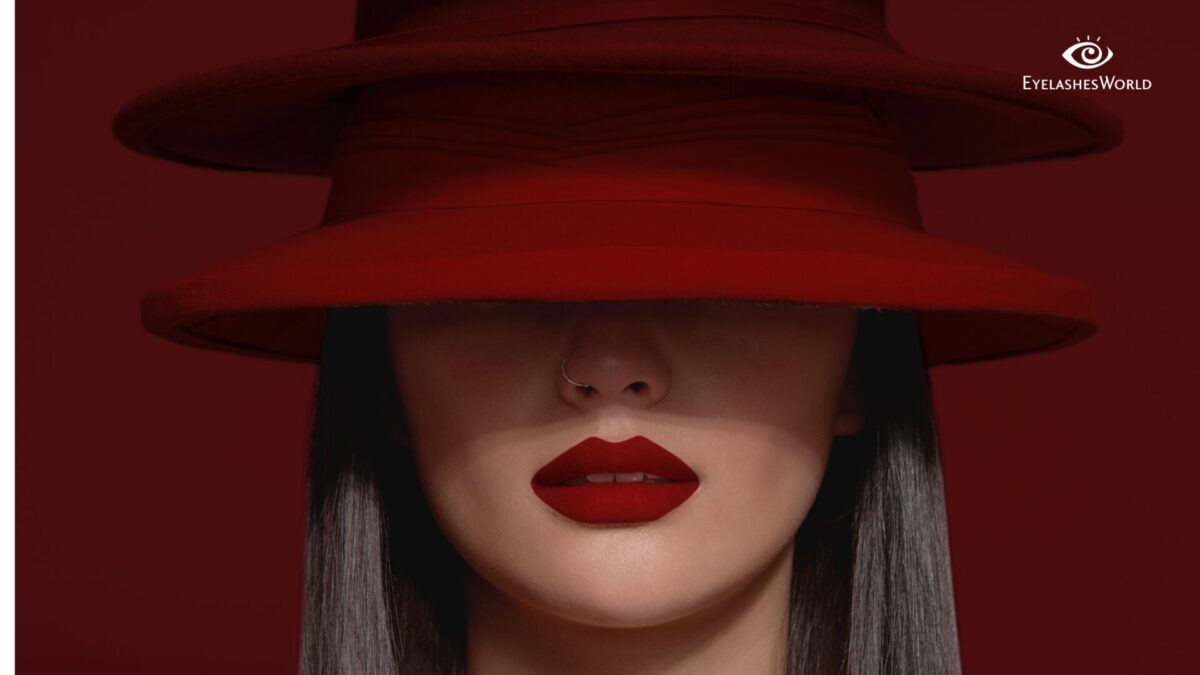
When the economy becomes uncertain, consumers usually start pulling back on big purchases like luxury fashion, travel plans, new gadgets.
Many of these expenses are often postponed until financial conditions feel more stable.
But something interesting often happens at the same time.
While large purchases slow down, smaller indulgences continue to sell.
Economists often describe this pattern as the Lipstick Effect. The idea is simple: during uncertain economic periods, consumers tend to reduce spending on major luxuries, but they still allow themselves small purchases that provide a sense of enjoyment, confidence, or comfort.
In other words, people may skip the expensive handbag but still buy the lipstick.
How Consumer Spending Begins to Shift
When budgets become tighter, most people do not stop spending altogether. Instead, they start adjusting what they buy.
Large lifestyle upgrades feel easier to delay. But smaller purchases that bring a quick sense of satisfaction often remain.
These small indulgences play an important psychological role. They allow consumers to maintain a sense of normal life and self-expression even when they are being more careful with money.
Because of this, many consumers simply trade down from larger luxuries to smaller ones rather than eliminating discretionary spending entirely.
Why Beauty Products Often Stay in the Routine
Beauty products frequently appear in discussions about the Lipstick Effect.
Compared with many other lifestyle purchases, beauty items are relatively affordable. At the same time, they deliver something people continue to value regardless of the economic climate — the ability to look and feel good.
A small beauty product can refresh someone’s appearance within minutes. Whether it’s preparing for work, meeting friends, or attending an event, these products help people feel more confident and presentable in everyday situations.
This combination of accessible price and visible impact is one reason beauty categories often remain surprisingly resilient during uncertain economic periods.
Small Beauty Upgrades Still Matter
Within the beauty space, some products naturally fit this pattern of spending behavior.
Take false eyelashes as an example. Compared with more expensive beauty services or treatments, lashes are a relatively small purchase. Yet they can noticeably enhance a makeup look within minutes.
For consumers who are adjusting their spending, products like this can still feel worthwhile. They offer a visible beauty upgrade without requiring a large financial commitment.
This is why the Lipstick Effect continues to appear across beauty categories. Even when consumers pause bigger purchases, many still look for small ways to feel confident, polished, and expressive.
And often, it’s these smaller beauty products that quietly continue moving the market.
A Pattern Worth Understanding
For beauty brands, distributors, and retailers, the Lipstick Effect is a useful reminder that consumer behavior does not simply move in one direction during uncertain times.
Spending may become more careful, but the desire for small moments of confidence and self-expression rarely disappears.
Instead, it often shifts toward products that feel accessible, practical, and capable of delivering visible results even in small ways.
Understanding this shift can help explain why certain beauty categories continue to attract demand, even when larger purchases begin to slow down.